- Podcast
・ December 22, 2025
Episode 6 – Master B2B Brand Storytelling in Asia with Dave McCaughan
There is a persistent myth in the business world: B2C marketing is emotional, but B2B marketing is purely rational. We assume that when people put on a suit and walk into an office, they become data-processing robots, driven only by spreadsheets and ROI.
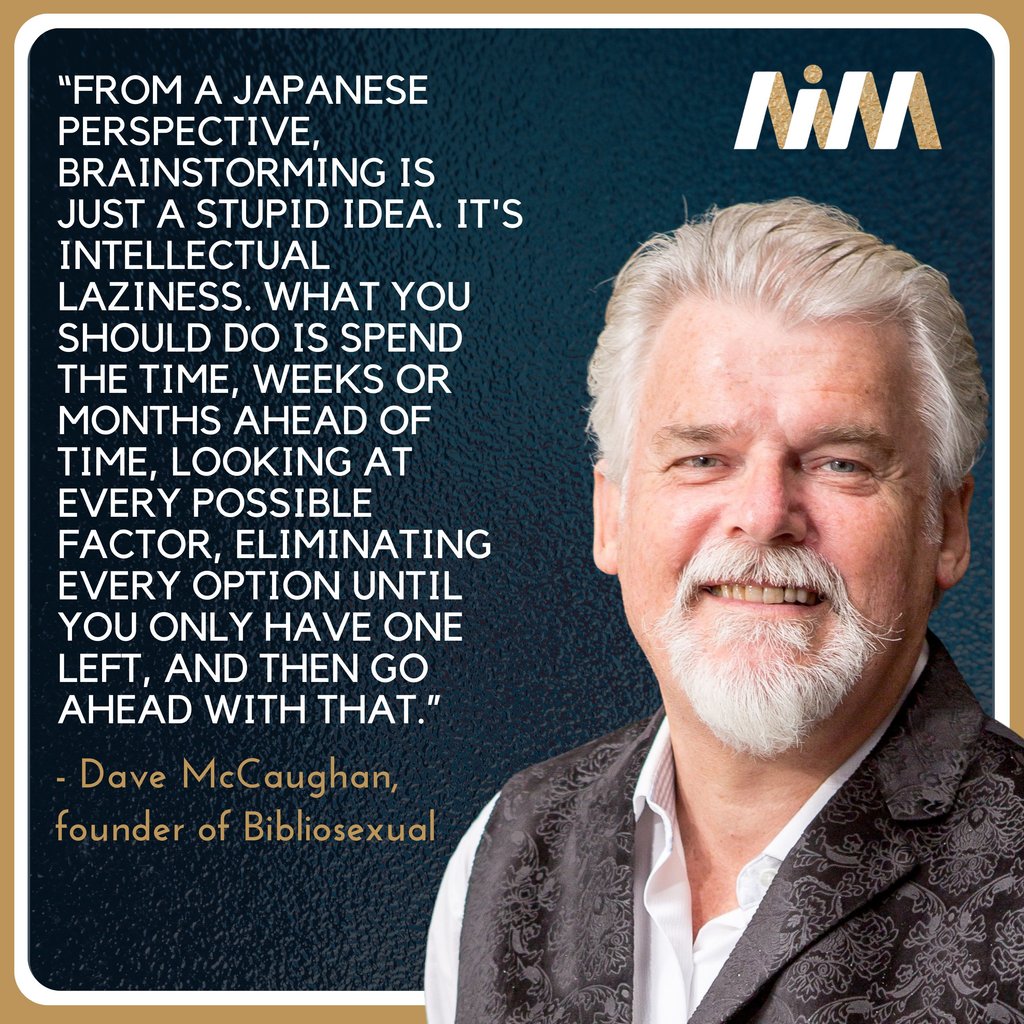
“From a Japanese perspective, brainstorming is just a stupid idea. It’s intellectual laziness. What you should do is spend time, weeks or months ahead of time, looking at every possible factor, eliminating every option until you only have one left and then go ahead with that.”
— Dave McCaughan, Founder of BIBLIOSEXUAL
In Episode 6 of the Asia AIM Podcast, host and AIM B2B CEO Robert Heldt sits down with Dave McCaughan, a 40-year veteran of advertising strategy in Asia and the founder of Bibliosexual. Having shaped narratives for giants such as Coca-Cola, Nestlé and Tata Consulting Services across the region, Dave reveals why the most effective B2B strategies in the APAC region are those that master the interplay of emotion, cultural nuance and storytelling.
Why are B2B purchasing decisions actually emotional?
While B2B buyers justify decisions with data, the decision itself is often rooted in a simple human desire: the need to feel safe and smart. Whether it’s a massive IT infrastructure project or a cement contract, the buyer is asking, “Will this make me look good?”
Dave notes, “People like to think that they are good at their job. Smart decisions are an emotional thing. If I can convince you that this is going to be a smart decision, your boss is gonna pat you on the head.”
Dave shares a compelling story from his early career with IBM in Australia. They realized that selling massive mainframes wasn’t just about the specs—it was about connecting lonely IT directors with their peers. By understanding the emotional context of the buyer, they turned a cold sales pitch into a community-building success, proving that business-to-business is ultimately human-to-human.
How does Western brainstorming differ from Japanese Nemawashi?
In many Asian markets, showing up with a “blank slate” to brainstorm is seen as a lack of preparation rather than a creative exercise. One of the episode’s most striking insights is the clash between Western and Asian business philosophies, particularly Japanese business culture.
Dave recounts a moment when his Japanese colleagues explained why they found the American concept of brainstorming baffling. “From a Japanese perspective, brainstorming is just a stupid idea,” he said. “It’s intellectual laziness. What you should do is spend the time, weeks or months ahead of time, looking at every possible factor, eliminating every option until you only have one left.”
This difference requires a shift in strategy for international marketers:
- Respect Nemawashi (laying the foundation): True business communication strategy in Japan involves detailed pre-meetings and consensus-building long before the formal presentation occurs.
- Rethink “Blank Slates”: Avoid entering meetings without a prepared direction; lack of predetermined options can signal a lack of effort.
- Visual Density: While Western decks prioritize simplicity, a Japanese slide might be packed with four detailed graphs because density demonstrates deep thinking.
Can AI replace the need for human storytelling?
While AI can process billions of data points to instantly find insights, it cannot replace the original voice. As a pioneer who was using AI-driven narrative tools long before ChatGPT made headlines, Dave offers a grounded perspective on AI in marketing.
In an AI-saturated world where millions use the same tools to generate similar content, the winners will be those who use technology to amplify a unique, human perspective. B2B storytelling in Asia isn’t about automating the story; it’s about using data to find the right story and telling it with a voice that is unique to you.
FAQ
B2B buyers are not robots; they are people who want to feel “safe and smart” in their choices. An emotional connection assures the buyer that a purchase will make them look good to their superiors.
Nemawashi refers to “laying the groundwork.” It involves holding pre-meetings and building consensus individually before a formal proposal is made, ensuring that decisions are effectively made before the final meeting takes place.
Not always. Unlike Western preferences for minimalism, Japanese business culture often values density. A slide packed with detailed graphs and data is seen as proof of deep thinking and thorough preparation.
Key Takeaways & Next Steps
Successful B2B brand storytelling in Asia requires looking past the spreadsheets to see the human emotional needs—and cultural expectations—of your buyer. Whether it is mastering the art of Nemawashi or finding your original voice amidst AI noise, the human element remains your strongest asset.
Want to dive deeper into these strategies? Listen to the full conversation with Dave McCaughan in Episode 6 of the Asia AIM Podcast to learn how to craft narratives that resonate across the APAC region.